MOSCOW (Reuters) -A Russian Soyuz MS-28 spacecraft with two Russian cosmonauts and one NASA astronaut on board successfully docked with the International Space Station on Thursday, Russian space agency Roscosmos said.
But the agency later reported that the launch pad at the Baikonur Cosmodrome in Kazakhstan had sustained damage from the launch. It said the damage would be quickly repaired.
The Soyuz 2.1a rocket lifted off from the Baikonur Cosmodrome at 12:28 p.m. Moscow time (0928 GMT).
Late on Thursday, Russian news agencies quoted Roscosmos as saying the launch had taken place without incident, but damage was observed after an inspection of the launch area.
"Damage to a number of elements of the launch pad was detected. An assessment of the state of the launch complex is being conducted now," the agencies quoted Roscosmos as saying.
"All the necessary reserve elements are there to restore it and the damage will be eliminated very soon."
It said the crew was on board the station and in good health.
(Reporting by Anastasia Lyrchikova; Writing by Marina Bobrova; Editing by Andrew Osborn, Ron Popeski and Bill Berkrot)
LATEST POSTS
- 1
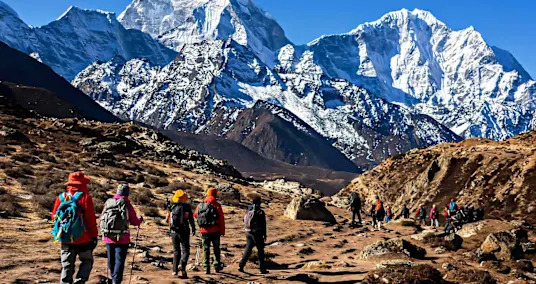
 Mount Everest Climbers 'Poisoned' by Guides Prompting Mass Helicopter Rescues in $20 Million Insurance Fraud Scheme, Police Say
 - 2The Best 15 Applications for Efficiency and Association
- 3New materials, old physics – the science behind how your winter jacket keeps you warm
- 47 Fast Approaches to Let loose Space on Your Telephone in a flash
- 5NASA’s Pandora telescope will study stars in detail to learn about the exoplanets orbiting them



- ByHeart infant formula recall tied to botulism outbreak puts parents on edge
- Hamas urges Hezbollah to kidnap Israeli soldiers in wake of Knesset passing death penalty bill
- Netanyahu vows to ‘return Negev to Israel,’ pledges settlement growth during visit
- NASA says Maven spacecraft that was orbiting Mars has gone silent
- Israeli president concerned over proposed renaming of park
- Yoshi mania, Happy Meals and not-so-great reviews: A small talk guide to 'The Super Mario Galaxy Movie'
- EU chief urges Iran to free imprisoned protesters, lift internet ban
- Iconic iceberg turns blue, on verge of totally disintegrating, NASA says
- The Most Famous Virtual Entertainment Powerhouses of the Year